Showing posts with label photography. Show all posts

#Review : Mini Photobook for my friend's birthday gift.


Assalamualaikum. Harini opi ada sedikit masa lapang . Opi nak buat sedikit review mengenai mini photobook. 

Before that, opi nak bagitahu ni, opi ada buat SALES photobook kalau korang terdetik kat hati nak beli mini photobook macam opi ni :) Jom kita lihat dengan lebih lanjut !


Mini photobook ni size dia 6x6 inci sahaja tau. Memang mini dan comel comel je tau, memang sesuai untuk buat present photobook, like dalam photobook korang taruk gambar kawan korang dengan korang. Segala memori indah dan sedih korang buku kan dan terbitkan menjadi photobook. Tak puas tau kadang-kadang tu tengok gambar dalam lappy, bila dah print jadi photobook, seronok pulak, boleh belek-belek bila2 masa sahaja je tau ! Tak perlu nak buka hp or lappy korang nak throwback :D

Opi selalu hadiahkan pada kawan opi kalau opi dengan dia ada banyak gambar, lepas tu, opi susun elok elok dalam photobook, opi print :) Jom usha photobook yang opi design sendiri untuk kawan opi nih :)


Gambar atas ni, kitaorang sambut birthday sama-sama. Birthday opi (tudung hitam+baju mickey) 31 julai. Birthday kawan opi (pakai topi+pashmina purple biru) tu 1 ogos, sebelah2 je kan? tu yang classmate kitaorg buat surprise ! Yeayy, First time kena tepung semua tu. hehehe. Birthday paling best bagi opi ! 

Rasa seronok kan bila tengok gambar kita dengan kawan-kawan dalam photobook . Betul , tak tipu, memang seronok, rasa nak cium cium je photobook tu. Kadang-kadang gelak sorang2 bila tengok gambar lama. Hehehe

Kalau korang nak usha pakej dan sales yang opi buat, boleh tengok kat SINI . Cepat beli sebelum terlambat! Photobook ni macam - macam boleh buat tau, wedding photobook, baby album, graduation album, mini portfolio, travel photobook dan banyak lagi! Siapa cepat dia dapat ! Jom usha SINI ! 

Terima Kasih kerana singgah membaca :)

17 things every blogger should know about photography


Photography tips for bloggers
Attract more readers, make your posts shareable and your blog beautiful.

1. Make your featured image eye catching

Make your post stand out amongst the sea of new content published every day. Take your main photo yourself to add some personality to your blog, or find images online through reputable suppliers. (See this post for great places to find royalty free images online.)

2. Don’t use images you find online without getting the photographer’s permission

It’s illegal, it breaches copyright, it can land you with a big damages claim, and it’s just not polite. Ask the photographer for permission before you use their photo. If you can’t find who took the photo, don’t use it. There are plenty of places to find legal photos without needing to steal them (see link in point 1).

3. Fill in the alt tag on your image if you want Google to find your image

Google doesn’t index photos, but it does index the text associated with an image. If you want Google to register the fact you are writing about baby sleep tips, then fill in “baby sleep tips” in the alt tag of the photo of a sleeping baby that you include in your post.

4. Name your images

Google will also index the names you give to your photos. Don’t publish a photo named ‘DSC000435.jpg’. Change the name to ‘sleeping-baby.jpg’ before you publish. Google apparently reads hyphens (“-“) as spaces and underscores (“_”) as joiners, so use hyphens for preference.

5. Resize your images to save storage space

Your blog platform probably resizes your images for you to fit your post page size, but you can save space on your server (and reduce upload times) if you downsize them to the largest you are likely to need before you upload. I rarely upload anything bigger than 1000px wide.

6. Have a friendly headshot of yourself on your site

People like people. They are more likely to read your blog if they can see who you are and what you look like. Use the same photo as your social media profile photo so that your readers will recognise you when they come across you not on your blog.

7. It’s all about the light

Most blog photos are too dark. Learn how to get correct exposure on your camera, make sure you have enough light, and compensate in post processing if your photo is underexposed.

8. If it’s not about the light it’s about the background

Distracting backgrounds spoil millions of blog photos every day. Clear up the clutter, change your viewpoint, put a plain board behind your subject – do what it takes to get a clean background.

9. Don’t use watermarks just because everyone else is

Watermarks are generally ugly and distracting. Before you decide to use them, make sure you’ve considered all the pros and cons. Have a read of my post “Why you should (maybe not) watermark your photos“.

10. Get your horizontal eye in

Blog posts need letterbox shaped images. Always have that in mind when you are taking photos, and practice composing horizontally. The exception to this rule is Pinterest. If you want to include a Pinnable image, frame it vertically, or make a tall and thin collage. Canva is a free graphic design tool which has amazing Pinterest optimised templates.

11. Learn how to edit

Your photos don’t come out of the camera ready to use. At the very least you will need to check the exposure and maybe do some cropping, but you can do plenty more if you play with the contrast and saturation. Photoshop is the gold standard photo editor, but cheaper software like Adobe Lightroom, or free online software like PicMonkey, does everything you need.

12. Backup

Backup your photos in 2 places. Don’t leave them on your camera and don’t just download them to your laptop. Download once to an external hard drive, and once to the cloud or somewhere offsite. Doing anything else leaves you vulnerable to losing your photos to theft, fire, flood, computer virus and hard drive crashes. Have a read of my “quick and dirty, something is better than nothing” post on backing up photos.

13. Learn how to style a photo

It doesn’t matter what you blog about – food, fashion, lifestyle, parenting, travel, craft, gardening – if you take photos of stuff to illustrate your blog, those photos would be better with a bit of styling. All this means is that you think about your photo before you take it. Start with a blank canvas and only add in things that will enhance your photo. Have a limited colour palette and try to tell a story with your subject and props.

14. You don’t need a DSLR

You can take fantastic photos with your phone or with a point a shoot. You are not taking photos to hang on the wall, so file size doesn’t matter (this post explains why: “The more megapixels the better?“). Practise getting great light, good exposure and fabulous composition, and you will have all the eye catching photos you need. Taken with my iPhone:


15. Love microblogging

Instagram, Twitter, Pinterest, Facebook – if you pick one and regularly post photo updates you will find the engagement with your readers going up. More traffic, more conversations, more feedback. Make it easy for followers to find your blog – put a hotlink URL in your bio or profile description.

16. Don’t listen to the photo snobs

Be careful who you take advice from. Photographers are notoriously particular about how to take photos – you can spend thousands of dollars and lose all your self esteem if you listen too closely. Only take blog photo advice from a photographer if they actually have a great blog. And don’t listen to anyone who says you can’t take a fantastic photo on your phone.

17. Develop your own style

A lot of popular bloggers have a definite photography style. It might be vintage, grunge, or they might use lots of white and pink, or overlay text in a funky font. There’s no problem in being inspired by other bloggers, but your blog will become more recognisable when you start to develop your own style which is unique to you. This is one of the hardest things to do as a photographer, so don’t feel you have to do it overnight. It can take years.

I'm Done for Diploma !


Assalamualaikum semua, 

Dah lama ni tak update blog. Lama sangat, last update tahun 2014. Harini baru dapat update sebab baru teringat pasal blog. Rindu , tapi dah tak reti apa apa pasal blog. Dulu rajin la belajar code code blog , sekarang nak belajar dah tak tahu mana nak start :D

Hari ni , opi nak bagitahu kawan kawan semua yang opi dah habis belajar di UiTM Melaka , Kampus Alor Gajah dalam jurusan Fotografi dan Pengimejan Kreatif. Selama 2tahun setengah jugak la study kat sana. Macam - macam ilmu dapat. Kenangan pun macam macam dah tercipta kat sana :) 

Bulan 5 nanti , inshaAllah , opi akan konvo di UiTM Melaka ;) Doakan opi semoga berjaya di dunia dan akhirat ye kawan-kawan :) 

Thanks.


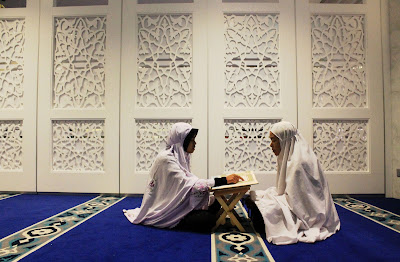
My Journalism's Artwork


Tittle : Mengaji Al-Quran
Location : Masjid Puncak Alam


Introduction to Shutter Speed in Digital Photography

Previously I’ve introduced the concept of the Exposure Triangle as a way of thinking about getting out of Auto Mode and exploring the idea of manually adjusting the exposure of your shots.
shutter-speed
Photo by Hughes500
The three main areas that you can adjust are ISO, Aperture and Shutter speed. I’ve previously looked at making adjustments to ISO and now want to turn our attention to shutter speed.

What is Shutter Speed?
As I’ve written elsewhere, defined most basically – shutter speed is ‘the amount of time that the shutter is open’.

In film photography it was the length of time that the film was exposed to the scene you’re photographing and similarly in digital photography shutter speed is the length of time that your image sensor ‘sees’ the scene you’re attempting to capture.
Let me attempt to break down the topic of “Shutter Speed” into some bite sized pieces that should help digital camera owners trying to get their head around shutter speed:

Fast-Shutter-Speed
Photo by konaboy


  • Shutter speed is measured in seconds – or in most cases fractions of seconds. The bigger the denominator the faster the speed (ie 1/1000 is much faster than 1/30).
  • In most cases you’ll probably be using shutter speeds of 1/60th of a second or faster. This is because anything slower than this is very difficult to use without getting camera shake. Camera shake is when your camera is moving while the shutter is open and results in blur in your photos.
  • If you’re using a slow shutter speed (anything slower than 1/60) you will need to either use a tripod or some some type of image stabilization (more and more cameras are coming with this built in).
  • Shutter speeds available to you on your camera will usually double (approximately) with each setting. As a result you’ll usually have the options for the following shutter speeds – 1/500, 1/250, 1/125, 1/60, 1/30, 1/15, 1/8 etc. This ‘doubling’ is handy to keep in mind as aperture settings also double the amount of light that is let in – as a result increasing shutter speed by one stop and decreasing aperture by one stop should give you similar exposure levels (but we’ll talk more about this in a future post).
  • Some cameras also give you the option for very slow shutter speeds that are not fractions of seconds but are measured in seconds (for example 1 second, 10 seconds, 30 seconds etc). These are used in very low light situations, when you’re going after special effects and/or when you’re trying to capture a lot of movement in a shot). Some cameras also give you the option to shoot in ‘B’ (or ‘Bulb’) mode. Bulb mode lets you keep the shutter open for as long as you hold it down.
  • When considering what shutter speed to use in an image you should always ask yourself whether anything in your scene is moving and how you’d like to capture that movement. If there is movement in your scene you have the choice of either freezing the movement (so it looks still) or letting the moving object intentionally blur (giving it a sense of movement).
  • To freeze movement in an image (like in the surfing shot above) you’ll want to choose a faster shutter speed and to let the movement blur you’ll want to choose a slower shutter speed. The actual speeds you should choose will vary depending upon the speed of the subject in your shot and how much you want it to be blurred.
  • Motion is not always bad – I spoke to one digital camera owner last week who told me that he always used fast shutter speeds and couldn’t understand why anyone would want motion in their images. There are times when motion is good. For example when you’re taking a photo of a waterfall and want to show how fast the water is flowing, or when you’re taking a shot of a racing car and want to give it a feeling of speed, or when you’re taking a shot of a star scape and want to show how the stars move over a longer period of time etc. In all of these instances choosing a longer shutter speed will be the way to go. However in all of these cases you need to use a tripod or you’ll run the risk of ruining the shots by adding camera movement (a different type of blur than motion blur).
  • Focal Length and Shutter Speed - another thing to consider when choosing shutter speed is the focal length of the lens you’re using. Longer focal lengths will accentuate the amount of camera shake you have and so you’ll need to choose a faster shutter speed (unless you have image stabilization in your lens or camera). The ‘rule’ of thumb to use with focal length in non image stabilized situations) is to choose a shutter speed with a denominator that is larger than the focal length of the lens. For example if you have a lens that is 50mm 1/60th is probably ok but if you have a 200mm lens you’ll probably want to shoot at around 1/250.
Slow-Shutter-Speed-1
Photo by flamed

Shutter Speed – Bringing it Together

Remember that thinking about Shutter Speed in isolation from the other two elements of the Exposure Triangle (aperture and ISO) is not really a good idea. As you change shutter speed you’ll need to change one or both of the other elements to compensate for it.

For example if you speed up your shutter speed one stop (for example from 1/125th to 1/250th) you’re effectively letting half as much light into your camera. To compensate for this you’ll probably need to increase your aperture one stop (for example from f16 to f11). The other alternative would be to choose a faster ISO rating (you might want to move from ISO 100 to ISO 400 for example).

I’ll write more on bringing it together once I’ve written a post in the coming week on the last element of the Exposure Triangle – Aperture.

copyright from : dPS

Controlling Depth of Field

The majority of people who take photographs do not understand the importance of depth of field. By definition, depth of field is the focal area that is acceptably sharp in each photograph. This distance of what is sharp could range from a fraction of an inch to hundreds of feet. There are four important factors that control the area of sharpness. They are the focusing setting, aperture size, focal length, and distance of the subject to the camera. Many imagine that they would want everything in the picture to be equally sharp throughout the entire picture. While this is true for many landscape pictures, many other types of photography are actually more visually pleasing with a narrow area of focal sharpness. By making only a select portion of a picture sharp our eye naturally knows what is being emphasized.
Narrow Depth of Field
Wide Depth of Field
Focusing Setting

The optics involved with focusing is a fascinating study all by itself, but when dealing with depth of field, the setting of the lens’ focal point is critical. The focal point is the exact distance set on the lens. Whatever the focal point is set at will always be the sharpest portion in the scene. The average focusing distance usually ranges between several feet to infinity. Most SLR lenses show the distance in feet or meters on the side of the lens. From the initial focal point, one third of the range in front and two thirds of the range in the back of the scene will be the depth of field. For example, if we set our lens to focus at 10 feet the acceptably sharp range could be 5 feet to 20 feet. The total distance range of what is sharp is determined by several other factors that are listed below. 

Aperture Size 

The aperture works the same way as the human iris regulating the amount of light that reaches the image recording sensor or film. The term f-stop represents the size of the aperture opening. As the f-stop number becomes larger, the size of the aperture becomes smaller. As the aperture becomes smaller, the amount of depth of field increases in the photograph. For example, a photograph at f/4 will have a narrow depth of field (sharper focusing) than a photograph at f/16. 

Focal Length

The focal length is the physical length of the lens to the focal plane (sensor or film back of the camera). A larger focal length will make the subject larger in the frame. If you stand at the same location and zoom in (use a bigger millimeter number), the picture will have less depth of field than if you zoomed out (use a smaller millimeter number).

Distance of the Subject

If you use the same focal length and aperture size and only change the distance of the subject and focusing, the amount of depth of field will also be different. As the distance to the subject becomes closer, the depth of field becomes narrower. This factor becomes extremely critical when doing macro photography. Most close-up and macro photography can have less than an inch of focus range that is completely sharp. The reverse is also true. When photographing landscape photographs, the vast distance allows for much more depth of field.


Panning and Zooming Techniques

 The three camera settings that control the exposure are the aperture, ISO, and the shutter speed. If one of these setting changes, one of the other two settings must change to have an equivalent exposure. For example, if we have an exposure of f/5.6, 1/60, and ISO 100 and change the f-stop to 4.0, we must change the shutter speed or the ISO speed by one stop darker. Our new equivalent exposure could be f/5.6, 1/60, and ISO 50 or f/5.6, 1/125, and ISO 100. As any experienced photographer knows, all of photography is a compromise in one way or another. Learning what camera setting to change for the best quality picture can be a challenging task. Once you begin to master the concepts of exposure vs quality, you should try to be creative with your photography technique. These techniques will help you to keep your photographic juices flowing.

Panning Technique

Shutter 1/30, Panning at Full Sprint
 The panning technique uses a slow shutter speed combined with continually panning from left to right or right to left. The correct shutter speed to use varies by the subject matter. To blur a NASCAR stock car can take shutter speeds up to 1/250, a pedal biker can take shutter speeds around 1/60, and a person running can take a shutter speed of around 1/30. For the best results you should follow the subject with the camera before pressing the shutter button. The goal is to maintain the subject in the same portion of the frame throughout the entire pan. After pressing the shutter, you should continue to follow your subject in the frame of the camera. The results create a relatively sharp subject with a motion blurred background and foreground. 

Zooming Technique

Shutter 1/30, Zooming from 28mm - 180mm
  This technique is limited to cameras with zoom lenses that have manual zoom rings. The zooming technique is similar to the panning technique because it requires a slower shutter speed. Instead of panning while pressing the shutter, you quickly zoom in or out during the exposure. The shutter speeds can vary anywhere between ½ - 1/30 of a second. Because the center of the lens always remains the same, the center portion of the picture will look relatively sharp while the rest of the picture will have streaking lines that appear to be coming forward in the scene.

     While both techniques can be closely mimicked in editing programs like Adobe Photoshop, I believe you will find it more rewarding to experiment without the need for post-production editing. A great panning or zooming technique may take lots of practice but the results are always a thrilling success.

Shutter 1/30, Panning Technique

copyright from : Milky Way Photography

Posing Techniques in Photography


Photography is a conglomeration of several things--camera, equipment, lighting, subject, and, if using a person, posing. You can learn different posing techniques when shooting portraits, action, or headshots in several ways.

# Trial and Error --:
One of the best posing techniques is simple trial and error. By using a digital camera, you can take as many photographs as you need to to learn what works and what doesnt when photographing people. Since photo subjects often look to their photographer for positions and poses, it is important to be able to see in your photos what works best.

# Study Other Photographers --:
Study the work of other photographers. Find out who does it best when it comes to what you want to do. If you want to take family portraits, you need to study the various poses for a family of three, four, or more family members. Look at the works of family portrait photographers and professional wedding photographers who take the family photos that can contain up to 30 or more people in one large photograph. By looking at what others do, you will get a basic idea that you can add to and adapt into your own style.

# Learn About Composition --:
By knowing about photography and the intricacies of what makes up a great photo, you will be able to better understand what poses are best for what types of photos. Understanding the effects of lighting, background and shutter speed will help you decide what you need to do in order to achieve the look you seek.

# Tips and Techniques --:
The idea to posing and positioning your subject is to give her a look for what you intend to get out of the photo. What do you want your viewers to see? Never allow subjects to just stand there: instead, have them lean against a car or sit on a bench. Give the subject something to do and you can find many poses from that single action.

Skills Needed in a Fashion Photography Job


• Artistic Sensibility – Thinking that fashion photography is nothing more than taking pictures of models and clothing would be too simplistic a view. Fashion photographers set and capture a mood. This takes creativity and innovation. Attention to artistic detail is a key for any aspiring fashion photographer.

• Technical Skill – From traditional development methods to digital editing, technology plays an increasingly important role in this field. Fashion photographers who have the necessary computer skills can use digital photography technology to edit their work and create special effects.

• Organizational Ability – Since many fashion photographers freelance, those who are self-starters should do well in this field. The ability to stay organized and focused will help when establishing a credible reputation in the industry.

• Teamwork – The ability to work well with others is beneficial in fashion photography, as in any field. You will need to be able to communicate with your customers and deliver the product they want. You will also need to be able to work with a variety of people from models to stylists to complete your work.

Article Courtesy: allartschools.com
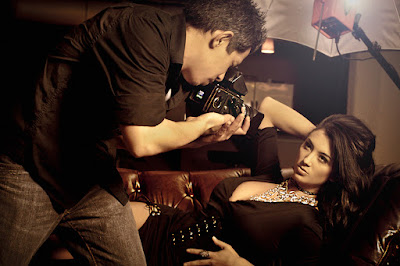
Image Courtesy: studydiscussions.com

► Fashion Photography Theme Ideas


Using a specific theme in a fashion photography project opens up an unlimited range of creative possibilities. This depends specifically on the scope of creativity inside the photographer's mind. The depth of expression is further enhanced by a specific theme conceived by the one staring through the camera. A carefully chosen theme can evoke emotion, produce intense visual texture and inspire with colors that refresh the eye and lift the human spirit. A fashion photo session needs an interesting theme to draw the eye into the subject to effectively sell an idea, design, and a potential new style. Since many themes may be created inside the individual photographer's mind, reviewing all of the differences would be next to impossible. Three themes, often seen between the pages of magazines and in popular advertising, have been chosen as examples to help clarify their importance in a fashion photography project.

Theme 1 - Motion
Since the early 1900's and the invention of the automobile and the airplane, fashion and media has had a love affair with acceleration and movement. Motion themed advertisements have been a popular staple since the early days of marketing and continue their popularity even today. Capturing the human form in motion, whether alone or in combination with a vehicle is an effective theme with many possibilities. Letting your subject move freely as random actions or positions are captured can exhibit dramatic results. It also allows you to frame a moment in time creating an interesting texture through partially blurred imagery, multiple focus, and unpredictable tones. Choosing this theme will demand a detailed understanding and command of the camera, speeds and control. If thought through carefully, a Motion themed shoot could be the best way to show a photographer's skill and creativity.

Theme 2 - Music
Music and Fashion have always affected one another. Since the birth of television, the styles and clothing choices of popular musicians have set trends and made history. It is difficult to see which art form influences each other most. Guitars and other instruments have often been used to enhance fashion photography to amplify the attraction of a generation. For example, using a nightclub backdrop can prove to have endless possibilities. Posing models playing guitars, working turntables, or simply wearing headphones while moving smoothly to music can be incredibly effective. With the right models and the most current imagery and props, this theme can help the finished product shimmer.

Theme 3 - Nature
The final theme example, Nature, can expose the photographer to a wide spectrum of color, light and texture. Depending on the location or choice of backdrop, the model can interact with rock, earth and vegetation which exhibit multiple levels of texture. Use of wind, water and light can also be used to express the powers of weather and temperature against the subject. Since this theme is based on pure beauty, a large investment of creativity could produce some of your most memorable photographs.

With some experimentation and creative ingenuity, a good fashion photographer can turn any good theme into a memorable piece of art.

Copyright by : Steve’s Digicams.
Image courtesy by : Fashionphotographyblog.co.uk.

► Fashion photography: Tips from London Fashion Week


• Some top tips for photographing fashion shows from the photographer’s pit:

- Make sure you get the settings right before you start snapping. It’ll be dark in the pit, and you’ll have little or no time to think about changing your settings. The last thing you’ll need is to be fiddling with buttons and miss a load of vital shots.

- Be prepared for overcrowding, but don’t be afraid to hold your own. Make sure you get to the photographer’s area early so you’ll be able to mark out your spot and ideally choose the optimum location.

- Aim for the centre of the pit as you’ll be able to get better eye contact with the models.

- Don’t be intimidated. Finding yourself in the packed press pit can be daunting, but you’ll forget all that once the show starts, the time will fly by and you’ll find it exciting.

- Make the most of your time in the pit – don’t assume you’ll have all the time in the world. 20 minutes might seem like a long time, but it really isn’t. Make every shot count.

- Look for celebrities and important fashion bods on the front row – many news outlets will want to see shots of celebs enjoying themselves (or better yet, looking grumpy).

- Try to get a different shot – it might sound obvious, but trying to get a different shot to the other photographers sat just inches away from you is the real challenge for fashion photographers. Look out for details, mishaps on the catwalk and unusual behaviour (such as models smiling!).

- Get the models to look at you – eye contact shots are real winners, so if you can’t get to the centre of the pit, try shouting to grab their attention. You might feel self conscious at first, but everyone will be doing it, and sometimes, it works.

- Think in black and white – if bright colours are lacking, don’t be afraid to convert your images to black and white. Big, blocky prints work better for black and white than fine intricate details, but converting can save an otherwise dull shot.

- If you’ve got time (or an extra body) don’t be afraid to use a wide angle lens to set the scene and get some great context shots.

• What settings should I use for shooting a fashion show?

- Take a white balance reading inside the venue to ensure there are no unusual colour casts.

- Use a wide enough aperture (around f/4) to keep the model sharp and throw the rest the scene out of focus (but make sure the clothes are still sharp!)

- Use a fast shutter speed and continuous high drive mode

- Shoot in RAW for the best results that will allow you tweak settings later on

- If it’s dark you may need to up the ISO, but keep it as low as possible to avoid grainy shots.

- Aim for a variety of different types of shot, single shots, models passing each other, all the models at the end of the show, models posing at the end of the catwalk and models walking.

► How to Get Involved in Fashion Photography

The fashion industry offers jobs in various areas. One area is the position of a fashion photographer. This is a great way to be involved in the artistic side of fashion and to make designer clothing into your own pieces of photographic art.

1. Know the fashion industry. To get involved in fashion photography the first thing you must do is have extensive knowledge of the industry. In order to be hired you must know trends designers and models.

2. Be social. Fashion photographers have to work with all kinds of people including the fashion designers as well as the models. Interact with these people.

3.Build up your photography resume. Fashion photography is a hard business to crack into because of the importance of a quality picture. Practice your photography on other things and book other jobs until you have a portfolio worthy of getting a fashion job.

4.Have a good sense of marketing. Being in the fashion industry especially as a photographer requires you to sell an image. You have to have the marketing savvy to get your pictures published.

5.Be flexible. The best way to get into the fashion photography business is by having a lot of experience which means taking any job offered to you. Even if it isnt your dream job be flexible and willing to work with anyone to show how interested you are. 

6.Give good directions. As the photographer of the fashion shoot you must call the shots. This means you have to know where you want the lighting to be how you want the make-up done and how the models should pose. As the photographer you must be assertive.

► Equipment Needed for Fashion Photography

So, after a few courses in photography and art, you've decided to become a fashion and glamour photographer. You've been renting the DSLR cameras from your school and even took classes to learn how to develop film, even though no one uses this process anymore. Getting into the fashion business is a serious goal, however. You need an eye for detail and a creative mind; you need to visualize a story you want to tell with your photographs before you start clicking the shutter.

1.The Camera

You will need a camera that can respond to your commands, not just automatically adjust to ambient conditions. A digital SLR (DSLR) is the type of camera to begin your fashion career. Probably the most often used professional cameras are Nikon, Mamiya and Canon, but other professionals have used Vivitar and Pentax.

2.Lenses and Accessories

With the camera, you will need a lens hood, lens filters and a few extra-high-capacity memory cards. Chief among these items being lenses. A well prepared photographer has more than one camera for the shoot and a variety of lenses for different types of shots and effects.Start with a standard 24-to-120mm zoom lens, the one that usually comes with your camera, if you buy a kit. Then there are zoom, telephoto and wide-angle lenses, all offering different options for different effects; macro zoom for extreme closeups, wide angle for a panoramic view.

3.Lighting

You may want to get some mounted flash units as well. Most common come with "hot shoe" connections, which means there are no wires to be concerned with. Attach the lights, turn on the power--and they sync automatically with your camera's shutter.You can get lighting that mounts to your macro lenses that can direct light more precisely to or away from your aperture target. It's ideal for closeups, especially for faces as it can eliminate or create shadows.Many fashion and glamor photographers will have a collection of camera-mounted flash units to utilize the different effects and strengths each individual unit brings to a shoot. They may only use two, or even just one, but it feels good to know there are options in the bag should you get an inspiration.

All the major camera companies make professional flash units: Nikon, Canon, Vivitar, Kodak and even Sony. The challenge for a beginning photographer is to find one or two that will fit your budget and get the job done.But that's not all the lighting a photographer needs. For good studio work, the fashion photographer needs studio lights and umbrella strobes, at least two of each, controlled by your shutter, which is why a professional photographer's camera has the accessories connectors, some of which are wireless.The professional's camera needs an accessories connection to sync up lighting not connected directly to the camera; definitely a must in fashion photography.

4.Other Accessories

For studio work, backdrops are often needed. Cloth is the usual material used as one can make do with clean sheets in a variety of colors, but one might also purchase metallic backdrops as well for different effects. Well-established, successful studios hire artists to create settings in much the same way movie producers create scenes on soundstages, but most photographers will just take their show on location. Natural scenery and light is best; a photographer can always adjust lighting with the camera's aperture and of course additional lighting.Which brings up a piece of equipment that can be overlooked: a power source for your gear. Most people opt for rechargeable battery units because they are silent. A generator can provide power, but they're usually noisy and distracting.

5.Get a Laptop

Because everything in photography is digital these days, a powerful laptop computer is needed. Either Macintosh or Windows operating systems, but it must have the capability to hold and manipulate thousands of photos. A laptop is recommended because it can go anywhere you and your camera go; that's not just convenience, it is essential for the fashion photographer. Many, if not most, shoots will occur outside the studio.Some cameras offer software that links the camera with a computer so the photographs are easily transferred from camera to hard drive, making it easy for the photographer and models to see their work immediately.The most common photography software is the venerable Photoshop, a name that has been at the forefront of digital photography for nearly 20 years. There are other programs out there as well, made by camera companies specifically for their equipment and not nearly is pricey as Photoshop. Some will even work with different brands of cameras as well.

6.The Cost

The problem a photographer faces when starting out in the business is cost. Buying everything mentioned so far will run, easily, to $12,000 or more. The camera and lenses alone nearly $5,000, and, if you buy a Macintosh Airbook, that's at least $3,000.Which is why photographers will stick with one brand of camera. All Nikon lenses and filters will work on any Nikon camera, for example. Same with the other companies as well. Some equipment will work with a variety of brands, so you need to shop around if you use different brands of cameras.

Serious work in fashion photography might require an even more expensive camera and accessories: the medium format single-reflex camera. Not often used now, it was, until the digital age, the best format for fashion photography. Those cameras, lenses and accessories can run into the tens of thousands of dollars, if you get the digital camera backs to replace the actual film. The most trusted names for medium format photography are Hasselblad and Mamiya. Both are still used by professional photographers.The good news for the aspiring photographer is that all of this equipment can be rented. There are companies throughout the United States that will rent any and all photography equipment so you don't need to have $12,000 in equipment to get started. As the business grows, you can purchase more equipment as needed.

Fashion photography, as with any profession in the arts, is a tough business; you need to not only look your best but professional as well. Serious professional equipment says a lot about a person's commitment to their job and career. You only get one shot at success when you get the big break. Everything has to be perfect.

►Fashion Photography - 4 key points to success


We can get a glimpse of fashion photography almost everywhere we look on TV, newspapers, internet and all media. Dazzling women with long legs and tanned skin scream for attention on news stands all over the place. It is the fashion photographer who is primarily responsible to bring those photographers to us, the everyday people. Unlike what one often imagines, there is more to fashion photography than a glitzy life style, fun and happening models. In fact there is a lot of planning involved behind every single fashion photograph that we see.

A name such as Mario Testino has become iconic in the realm of fashion photography. Did you know that photographers like him are just as sought after as the models that they photograph? At times the photographer is an even bigger celebrity than the model.

This profession may seem dream like to the young and enthusiastic photographer but it is not all about fun and glitz. It is not just about meeting the rich and the famous, the fat checks and the feeling of rock that goes with fashion photography. Did you know, for every one photographer that is successful, there are hundreds who are left looking for shoots for many years? Many give up after a few years while some do go on to become successful later on in life.

If you want to become a fashion photographer -

1. Learn the art well

There is no end to learning. Here is where many a youngster goes astray. they are so bothered about the style and the glamour associated with the fashion photographer, they concentrate more on looking right than shooting right. Know your photography so well that it comes naturally to you. Get books on the subject and read them to expand your knowledge of the subject.

2. Equipment

Next to the right knowledge comes the right equipment. Here is a hard truth - you cannot be a good fashion photographer unless you can afford expensive equipment. Cameras are not cheap, and you have new ones coming out every season. If you cannot afford to start off with a good camera and lighting system, your knowledge would go to waste.

3. The portfolio

The portfolio of a photographer is what finally lands the job. Make sure you have an impressive folio with your best work carefully selected. Choose the best 4 by 5 slide images you have. Some prefer to make prints. It is suggested - if you are discussing something with a photography pro, carry the slides. If it is a designer you are meeting the prints may be a better idea and more convenient for everyone.

4. Personality

Any editor is looking for original talent, so make sure you have a strong individual point of view. It is ok to be affected by another professional’s point of view, as long as you add or remove from it to make it unique and different. You need an identity!

●► Lighting Tip for Fashion Photography


We’ll be shooting an episode covering fashion photography, a fascinating world, and one quite different than those we’ve covered to date.

RC Rivera has an intriguing portfolio and sent me a sample of his work with note about his lighting:

“When I was starting out I thought the more complex the lighting, the better the shot. Now I think that getting a great photo using the most simple setup is actually more difficult but also more rewarding. This model was shot in my studio with using just one soft box. Shooting from just below eye level is great for beauty shots, but too low can be very unflattering. Katherine was a great sport—my studio was unheated and it was in the middle of the winter. You can tell she’s a professional because she doesn’t even look chilly.”We’ll be picking his brains, how he approaches a shoot, other lighting tips, etc.

► Digital Fashion Photography Tips

The current development of photography had allowed everybody to be able to capture an ideal moments of their lives in a fantastic way. The massive improvement in shutter speed and photo resolution also allow make it convenient for both beginners and professional photographer enthusiasts to consider to take stunningly good pictures. Additionally, photo editing is now able to produce a more creative and artistic photos in a snap.

Photography has additionally been an enormous plus for a lot of offline and online companies. A regular image can be sold by a digital photographer and the company can easily buy the image. These stocks are offered on different prices, with respect to the license. But being a digital file, they can also be modified, altered and edited using sophisticated editing software.

Today, photography is raising the fashion industry because of that nature. Digital fashion photography is not the same as doing television footages and capturing on films which for digital photography enthusiasts; it's a tougher area to operate on.

The best trick for digital fashion photography would be to capture everything within the ramp. It'll target the figures from the stunning ladies wearing their most fancy, magnificent and extreme fashion clothes. Digital fashion photography will capture the different outlooks necessary to please the worldwide audience in terms of the latest fashions.

While digital fashion photography is really a meticulous area, a good digital photographer ought to be creative enough to understand and follow the most popular trend every year.

Just like designers, digital fashion photography enthusiasts also need to operate in top performance with ease and filed with beauty and glamour. The second should certainly develop the photographer's sense of passion.

Here are some facts to consider on digital fashion photography when you are just starting out:

1. You need to be focused at all time when shooting with your camera

2. Make sure that your camera is with you at all times

3. Know and execute your objective

4. Practice to capture that once in a lifetime opportunity moment

5. Develop a sense and knowledge to find and shoot from multiple, interesting angles

6. Take advantage of numerous distance and angles for every shot

7. Show some contrast by post processing the small details in your post processing

8. Organize your subject well

9. Learn about weight and shapes and put great emphasis on the in your pictures

10. Communicate with your audience by using your pictures

As a digital photographer, you also need to be conscious on both the internal and external shooting factors. The internal factors will include setting up your camera gear properly, charging your batteries, choosing the right composition and so on.

The external factors will include knowing what your rights are and carefully considering the environment that you are in. This will make sure that you will stay safe all the time during shooting.

Text courtesy : thebookbell.blogspot.com
Image courtesy : digitalphotosmarts.info


► Make Your Carrier In Fashion Photography


Fashion photography is recognized as an enormously glamorous profession, it is creative and money-making career. Fashion photographer takes the picture of models, who wears the fashion accessories, latest design of cloths, hairstyles and make-up. This field is extremely attractive field and these photos are for commercial use only. But now it is rising as one of the booming sector because it is the sector of creativity and new things. If you want to make your career as a fashion photographer then you should have keen eye on artistic detail. And you must have the perfect knowledge of camera with the various techniques of taking picture. Here the various techniques include distance, light and perspective. But here it also requires that you should visualize your ability and communication skills by which you can express your thoughts.

Photography skill is completely depends on your creativeness.

The work area of fashion photography is studio and frequently outdoor locations. The fashion photographs are used in wide area of media, including reports, books, advertisement and catalogs. There is huge requirement of fashion photographers in the various sector of fashion for example, fashion publication, advertising company, fashion house, Direct Mail Company or fashion manufacturer or you can also open your own studio. Well it is tough field to enter; here one can succeed on the basis of their creativity and by adoption of rapidly changing new technique. This is the place where relationship matters so one should be able to establish healthy relationship with models and fashion people or other professionals. It is hard to work with top agencies which deal with top fashion work. So in the beginning of this carrier studio assistant post is desirable. This post required college degree in photography and as usual strong portfolio. In addition fashion photographers should know latest computer software program which allow them to edit and prepare images. This field is full of possibilities and creativeness so to be a successful fashion photographer it is must to develop own, recognizable style of photography. This makes the big difference from other competitors. Photographers should develop an individual style of photography to differentiate themselves from the competition.

Text courtesy : worldslatestnews.com
Image courtesy : fstoppers.com

50 Fabulous Fashion Photography

With a blog for just about everyone in a range of categories from technical to pop culture to political, fashion photographers are not left out. However, with shooting schedules, freelance work, education, and much more getting in the way, taking the time to research them all can be an insurmountable task.

To that end, we have gathered together 50 fabulous fashion photography blogs. With entries from professionals, publications, fashionistas, and more, you are sure to find something to help your career.

1. The Sartorialist : This fashion photography blog has been a leader for years. Scott Schuman used to be a high end fashion buyer until photography caught his interest. Now he fills his blog with random entries of fashionable and not so fashionable New Yorkers, along with his commentary. One of “TIME” magazine’s top 100 design influences, be sure to stop here often.

2. Face Hunter : Yvan Rodic is a man out and about in London and beyond with loads of fashion photography eye candy for the style hungry. An excellent choice for a fashion photography blog that takes an interest in personal style rather than following trends. Be sure to check out the show of the same name for more.

3. Fashion Photography Blog : Melissa graduated from Art Center College of Design in January 1987 and blogs exclusively for fashion photographers. Resources include tutorials, a form, SOTW, and more. A recent entry was on the difference between shooting for advertising as opposed to an editorial.

4. The Selby : Todd Selby is a portrait, interiors, and fashion photographer and illustrator. His blog offers an insider’s view of creative individuals in their personal spaces with an artist’s eye for detail. You can choose to view fashion photos from cities such as New York, London, and others, or even by designer.

5. The Cherry Blossom Girl : Alix is a young French designer who combines both fashion and art photography on her blog. Both her items and others she takes an interest in are featured. With entries in both French and English, the blog is worth a look for reading about fashion in a bilingual manner.

6. JAK & JIL : If you are a lover of fashion with a special interest in shoes, stop here. Fashion photographer Tommy Ton is from Toronto and takes images of the latest and most inventive in footwear. There are also other fashion photos for the viewing.

7. Photobook : Kelly Stuart takes you through the world of fashion photography in this blog for “Elle.” Posts often focus on a particular aspect of fashion, along with her commentary. There are also many other fashion blogs to read up on.

8. It Was a Dirty Dream Come True : The “F-ed UP Crew” is a collective of young fashion professionals in the middle of it all. There are many interviews, profiles, and images of fashion to sift through. If you can tolerate the language and techno music, it is worth a visit.

9. Fashion Toast : Rumi Neely is both a fashion model and designer who has dabbled in photography. Her blog features what she is wearing, along with other items that interest her. And of course, photographs are plentiful.

10. Walid Azami : Walid is a fashion photographer from Anaheim who had the opportunity to shoot Madonna very early in his career. His blog is about what he does and where he wants to go. A recent entry had advice for new models.

11. The Week in Style : If you desire to see your work on the cover of “GQ” someday, check out this fashion blog. It features both the best and worst in style each and every week. There is also tons of other help with fashion and more.

12. On The Runway : Visit here for “The New York Times’” blog on all things fashion. Cathy Horyn, fashion critic, takes you to the front row of fashion shows, behind the scenes at ateliers and houses around the world, and inside the minds of designers. Popular tags on the blog include Paris and New York fashion week, as well as Karl Lagerfeld and others.

13. Fashion Picture Galleries : Get fashion photography, style images, and fashion pictures from the high street and catwalks. UK based paper “The Telegraph” brings you the latest from the London runways and designers. Recent entries take a look at the fashion of the Grammys, Emma Watson, and Lady Gaga.

14. Fashionising : A leading fashion blog, they have a special section for photography. Simply click on a photo from the homepage to view it full sized and the gallery it came from. You can also see the latest pictures from the catwalk and beyond.

15. Photos & Portfolios : A leading publication for decades, “Vanity Fair” also has a special section for fashion photography. In addition to photographs on style, you can also view them for science, retrospective, news, and more. There are also many celebrity portfolios for the viewing including Robert Pattinson and Shakira.

16. Style File : Style.com keeps you up to date on the latest in fashion with loads of photography here. It is full of fashion trends, designer profiles, and even shopping updates. Fashion photographers will enjoy the Virtual Front Row section.

17. Look of the Day : Get a new fashion photograph each day by stopping here. InStyle.com features loads of images from celebrities in their massive database. Each entry contains what was worn, where it was worn, and why they love it.

18. Teen Ugly : A lesser known blog from the California/ Oregon region, there is loads to view. Editor TSW blogs for Chictopia on a number of fashion items. Be sure to check out the favorite photos and designers on the blog.

19. All The Rage : Four bloggers from “The L.A. Times” muse on the culture of keeping up appearances. They recently reviewed Grammy fashion to many reader comments. The site also has more on fashion.

20. Photos : Want your fashion photography to appear in “People” magazine? Then check out the photo blog to see which pictures make the cut. Popular albums include Michael Jackson, Lady Gaga, and many others.

21. Behind the Lens : Vogue TV’s Behind the Lens offers an unprecedented glimpse into the world of entertainment and fashion, taking viewers backstage, on set and in the studio, where the rarely-seen creative process unfolds. You can also get an inside look on the actors, directors, models, photographers and designers. There are also other related channels for lovers of fashion.

22. Fashion Show Videos : You no longer have to work for “Cosmo” to get inside access to fashion shows. Their library contains loads of videos on style, celebs, and more. Fashion photographers will enjoy the behind the scenes looks at various cover shoots.

23. Daily Dose of Style : A variety of contributors post videos on fashion and related aspects. Recent episodes are on New Year, New You and the 12 Days of “Giftmas.”

24. 7 Photography Questions : These podcasts feature interviews with top photographers to help out the listener’s own work. Be sure not to miss episode 11 with an expert fashion photographer. The blog also has more tips.

25. The Imaging Buffet : Founded by photographer and digital consultant Andrew Darlow, The Imaging Buffet is an online magazine and podcast with tips, news, reviews, and interviews about digital photography, inkjet printing, Photoshop, other imaging topics and new media. The episodes give tons of photography tips for shooting in various forms with various subjects. There is also loads of other help on the main site.

26. Studio Photography Podcast : Like the name says, this podcast is devoted to photographers who work in studio. There is also a special episode with Joseph Cartright, a fashion and beauty photographer. You can also view instructional videos and even comics.

27. Red Carpet Fashion Awards : Catherine Kallon is a Londoner who blogs about the fashion of Hollywood. You can search for fashion photography by celebrity, designer, or feature. There is even a section where you can see what is in her closet. A must visit for after each awards show or party.

28. The Hamishsphere : Hamish Bowles is the European Editor at Large for “Vogue” and recognized as one of the most respected authorities on the worlds of fashion. Get a front row look into the world of global fashion by checking out his blog. He recently graced multiple couture shows for Spring 2010 and tells you all about them.

29. Slaves to Fashion : Get a daily style blog from “Glamour” magazine by clicking here. Popular categories include tips, fashion week, and wardrobe essentials. An excellent choice if you need help sprucing up your own wardrobe.

30. The Cut : Stop here to get the fashion blog for “New York Magazine.” Popular topics include designers, fashion shows, and shopping. There is even a model tracker and other tools.

31. Go Fug Yourself : If you think fugly is the new pretty, stop by this fashion blog. Two bloggers comment mostly about the worst in fashion in a humorous way. You can view by most recent or on every celebrity from Alanis Morisette to Whitney Port.

32. Omiru : Get a fashion blog for real people by stopping here. Featured articles include “How to Keep Clothes Looking New” and “How to Mix and Match Patterns.” You can also get help with shopping by person, occasion, or price.

33. Frugal Fashionista : Get yet another fashion blog for those who can’t spend four figures on an item of clothing here. The blog also stands out if you want to know more or emulate the styles of notable figures such as Gwyneth Paltrow or Lauren Conrad.

34. Fashion Style You : Not just a fashion blog, you can also get posts on health and beauty. You can search for entries on fashion for women, men, and even children. Popular articles are on Fenchurch, Topman, and Oasis.

35. Richard Warren : Born in Houston, Richard is now an internationally published fashion photographer based in New York. His photography has appeared in over fifty fashion magazines, and he has worked with fashion models including Cindy Crawford, Christy Turlington, Linda Evangelista, Brooke Shields, and more. Check out his personal work, or visit the flash site with more.

36. Steven Meisel : Since the 1980’s he has been in fashion photography. As the primary photographer for American and Italian “Vogue,” Steven Meisel’s continued interpretations lead and influence understanding of contemporary fashion. You can view his work, or even get more information on other fashion photographers.

37. Paolo Boccardi : He is a fashion photographer based in Milan who also dabbles in graphic design. Highlights include photos of both fashion and fashion week. You can also get images in fine art and travel.

38. Mark Velasquez : Mark received his BFA from Cornish College in Seattle in 2000. Since then he has been through Costa Rica, Panama, Mexico, and more than enough of the continental United States. His impressive portfolio contains portraits, the truly eccentric, and of course, fashion models.

39. Polina Osherov : Based in Indiana, she shoots musicians, authors, artists, and everyone in between. However, her passion is for fashion photography and can be seen in her portfolio. There is also a blog with more.

40. Annie Leibovitz : She made headlines for a nude picture of a pregnant Demi Moore and various other celebrities. Although not her official site, PBS has much more of her work and life. You can also visit the photo gallery for pictures of everyone from John Lennon to Nicole Kidman.

41. Photo Training 4U : Why should fashion photographers click here? Because they have loads of tutorials for photographers, including those interested in fashion. Latest entries include confetti & lace, as well as a boudoir slide show.

42. T Magazine Blog : Several columnists from “The New York Times,” weigh in on fashion, design, and more. You can also choose from categories such as food and culture. A recent entry was on an up and coming photographer.

43. Manolo’s Shoe Blog : Self explanatory, this blogger takes on all aspects of shoes from Jimmy Choo to Gucci and many more. There are quizzes on “whose shoes” and even items of interest for bargain hunters. There are also tips for the home, brides, and a gallery of horrors.

44. Clayton Bozard Photography : If your photography interests extend into and beyond fashion, take a look at this blog. Clayton’s portfolio consists of musicians, models, and countless others. His blog often talks about his latest shoot and what went on.

45. All Day I Dream About Photography : Get everything from the basics to advanced practices on this photography website. The blog goes beyond articles to give you tutorials, projects, DIY, and much more. A recent lead article was how to make the most out of Flickr by using Firefox.

46. Camera Dojo : Similar to the above, Kerry Garrison helps give you a blackbelt in photography. Tools, deals, and much more are featured on the blog. Be sure not to miss the podcast with much more.

47. Digital Photography Review : If you are a fashion photographer in need of some new tools, stop by this blog and site. It reviews the latest and greatest in digital photography. There are also forums, a buyer’s guide, and even challenges to enter.

48. KEH : Now that you know what you want to buy, stop by this photography site. In addition to shopping for gear online, you can also sell your used equipment here. There is also a repair center and community with more.

49. Nikonians : A leading seller of cameras, every fashion photographer knows what Nikon is and probably has more than one of their devices in their bag. If this is true of you, join this unofficial community to read the latest on the brand. Top articles on the blog are previews, reviews, and about equipment.

50. Photo Lovecat : Finally, if you are a fashion photographer looking to build your own business, stop by this blog. Founded in January 2007 by Anne Ruthmann, Photo Lovecat has grown to feature well known guest authors as well as a dedicated team of regular editors who regularly volunteer their time, talent, expertise, and information with no pay or compensation received for their contributions. Popular categories include marketing and management.

► How to be a great glamour photographer


Glamour photography is an ever growing industry. More and more magazines seem to be hitting the shelves and websites are being created everyday and each is filled with glamour shots of all kinds.

How does one become a “great glamour photographer?” Assuming you already have a firm grasp on composition and lighting concepts, the first thing to do is study what’s out there. There are a wide variety of styles within the field of glamour photos and not all of them will appeal to everyone. Find a style you like and dissect it. The idea isn’t to outright copy existing images but to imitate them and innovate them until you have created a style that’s all your own.

One of the best resources you can have to get you through this is a model that you are mutually comfortable with. At first you are going to be paying so much attention to technical details that it may be hard to coax a model into reflecting the mood you’re after. Someone that you already have a good report with will help relieve this burden.

The technical things you are looking at all the while are things like lighting, composition and focus. Presumably you have an idea of what kind of mood you want your photos to reflect. Choosing and positioning the right toned lights is great and making sure you don’t lose sight of the end result. Everything looks good, but did you meter properly? For most glamour shots you’d want to take your light readings off of the models flesh as opposed to their clothing. Don’t let your model get too caught up in the shoot and move away from this metered light or you’ll just be wasting time and money.

I mentioned focus which seems obvious, but a lot of glamour photographers like to shoot with a remote switch. They keep their eyes on the model, often making eye contact, in an effort to keep things more intimate. The less experienced photographer can let this situation get away from them and by not looking through the lens they won’t notice the model moving out of the focal range.

When composing the shots it’s almost always a good idea to fill the frame. A glamour shot is about the model and nothing else. Taking a glamour shot where the model only takes up half the picture is rarely worth effective; however, this doesn’t mean you should ignore the background. On the contrary. The background can make or break any glamour photo. While a plain backdrop is easy it might take away from the desired effect. If you decide to take the picture in a certain setting, make sure the surroundings work with the model and not against her.

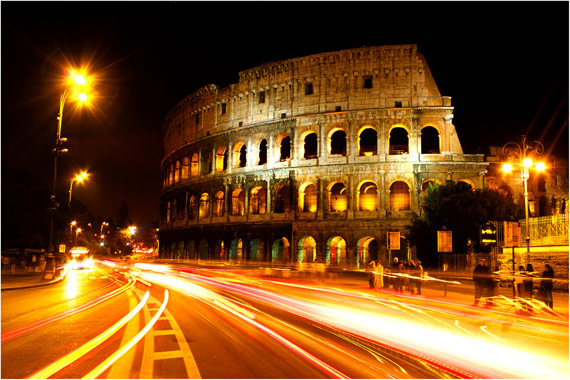
Photography At Night - Tips & Techniques


Want to learn proper night time photography? Then you’d better pick up some good digital photography tutorials. One of the best times of day to shoot pictures is after dark. Some of the most beautiful pictures that you can capture require the stark contrast between the lights and the darkness of the night. The downside to capturing pictures at night is that they are fairly difficult to take properly. Night shooting is an art that takes time and practice to master, which is why it is important to know how to shoot night time pictures.

This digital photography tutorial aims to provide you with the necessary tips and techniques to improve your night time photography.

Tips #1: Dusk
One of the best tips for night time photographers is to take shots during the time that the light of day is not quite gone. Dusk is a time for beautiful pictures, as the illumination from the street lights, buildings, and cars provide a perfect contrast to the darkening sky overhead. You will find that the quality of the images that you capture at dusk can still be excellent, the lighting of your pictures may turn out breathtaking.

Tips #2: ISO Setting
When shooting images at night, it is better to use a higher ISO setting on your camera. Using a higher ISO setting will often take pictures that have a lot of noise. However, you will find that editing out noise from a photo is easy using Photoshop or some other photo editing program, but you can’t edit out the blur that using a lower ISO setting will result in.

Tips #3: Steady Shot
It is vital that you keep the camera steady when shooting night pictures. Seeing as there is very little light filtering into your camera when shooting night photos, keeping your camera steady is the only way that your pictures won’t come out blurry. In order to take good night photos, make sure that you are as steady as possible by using a tripod or resting your arms somewhere.

Tips #4: Mirror Lockup
There is a setting on many digital cameras that you can use, called the mirror lockup setting. This setting will enable you to take clear night pictures, as it will help to direct as much light into the lens as possible to get clear pictures. There is a self timer mode that you can use in place of the mirror lockup setting, but it won’t provide pictures of the same quality.

Tips #5: Use the Blur
Most of the time blurs tend to look bad in pictures, but the beauty of taking night picture is that some blurs just look downright awesome. These are usually motion blurs, an effect that occurs when a car passes by or when you move your camera in a line. You are able to capture some pretty cool effects at night if you can learn how to get the motion blur just right.

Tips #6: Zoom In With Open Lens
Another cool trick that you can use to capture awesome images is to zoom the camera in while the lens is still open. This is pretty hard to achieve without a lot of practice, but you will find that you can get an incredible effect that will make it seem that you are taking a picture while moving forward. If you can get it right, this technique can give you some amazing pictures.

Tips #7: Slow Shutter Speed
If you want to take a picture of a near object while ensuring that there is a motion blur in the background, you will find that using a slower shutter speed for a longer exposure will provide this effect. Use a flash to illuminate the object close to you. Make sure to set the flash to go off after the second shutter curtain, as most people will move the instant they see the flash.

Tips #8: Combine Multiple Pictures
If you want to get quality pictures, take the time to snap exact images of the same setting. Snap a picture on a lighter exposure, one on a darker exposure, and one at a medium setting. Use photoshop to combine the three images into a single High Dynamic Range image of excellent quality.

You do this by taking a number of these and stacking all of the images on top of each other to obtain the best quality image. Use your favourite photo editing software to accomplish this. This can give you excellent results and is worth a try.

All of the tips and techniques in this digital photography tutorial can make a big difference to your nighttime photography. The key is to experiment and play around a lot so you get comfortable with all the different techniques. After all, reading a digital photography tutorial is only step one. The next step to take is to get out there, apply your learnings and improve your photo taking abilities.

Text Copyright by : globalgoodgroup.com
Image Copyroght by : blogspot.com